
The Masters at Augusta National Golf Club – 2025 Preview

Ron Klos

a year ago

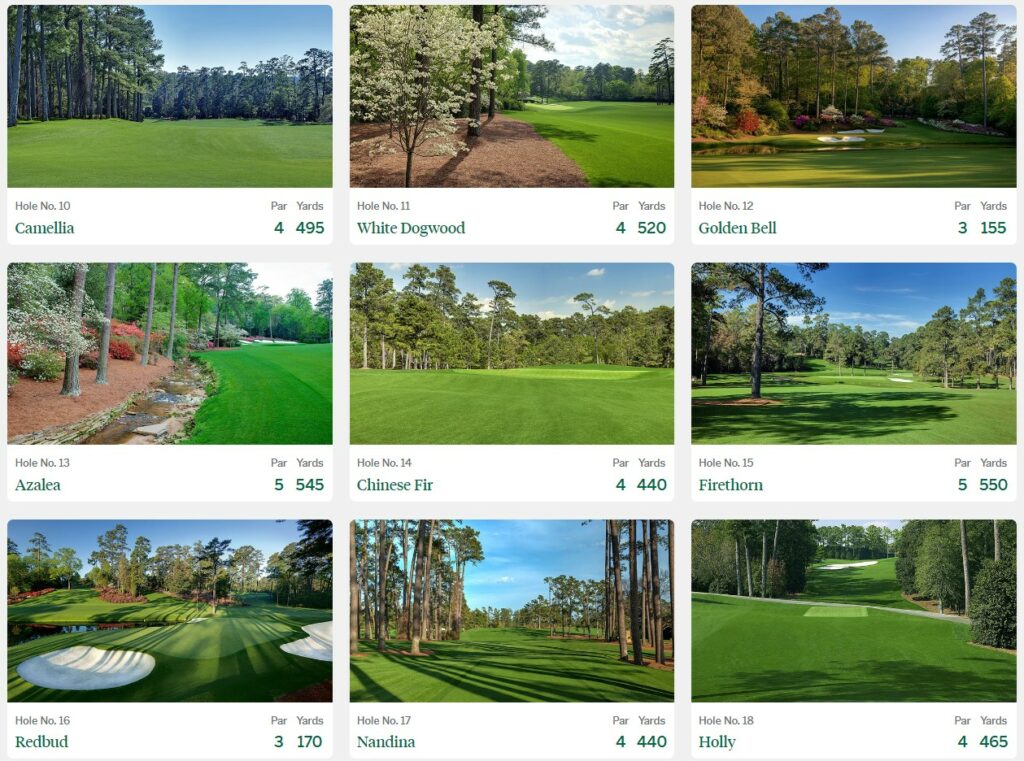
With the best players in the world finally uniting again on the immaculate grounds of Augusta National Golf Club, “A Tradition Unlike Any Other” has arrived for the 89th edition of The Masters. Played at one of the most private golf clubs in the world, Augusta National is also the most recognizable golf course anywhere. Built at the height of the Great Depression on the grounds of one of the Southeast’s most popular plant nurseries, each hole on the course is named after the tree or flower associated with it.
Whether it’s driving down “Magnolia Lane”, surviving “Amen Corner”, the blooming azaleas and dogwoods, or wearing the “Green Jacket”, so many words and phrases have become legendary over the years thanks to the tradition of this hallowed ground. Whether in person or watching from afar, the sensory overload and the absolute beauty of the course are something to behold.
Featuring generous fairways, demanding approach shots, and severely sloped lightning-fast green complexes, Augusta National is a course that will test every club in the bag and each player’s fortitude. Remarked four-time top-10 finisher Xander Schauffele, “You are asked to hit shots this week that you don’t hit anywhere else.” Golfers in current tee-to-green form, with positive experience at Augusta National, “Carry Distance” off the tee, mid-to-long-iron approach accuracy, creative short-game skills, and a knack for scoring on par 5s will have an edge over competitors who are lacking those traits.

DraftKings is giving ALL customers a shot to play FREE for a $1 million top prize – with your next $10 deposit! It’s simple to play. Build your dream lineup while staying under the salary cap, then sit back and watch as your players rack up points. Every birdie, every bogey, every clutch putt—feel the intensity of every shot. Download the DraftKings app and use code BetspertsGolf to play FREE for a shot at the $1 million top prize with just a $10 deposit!
The Field
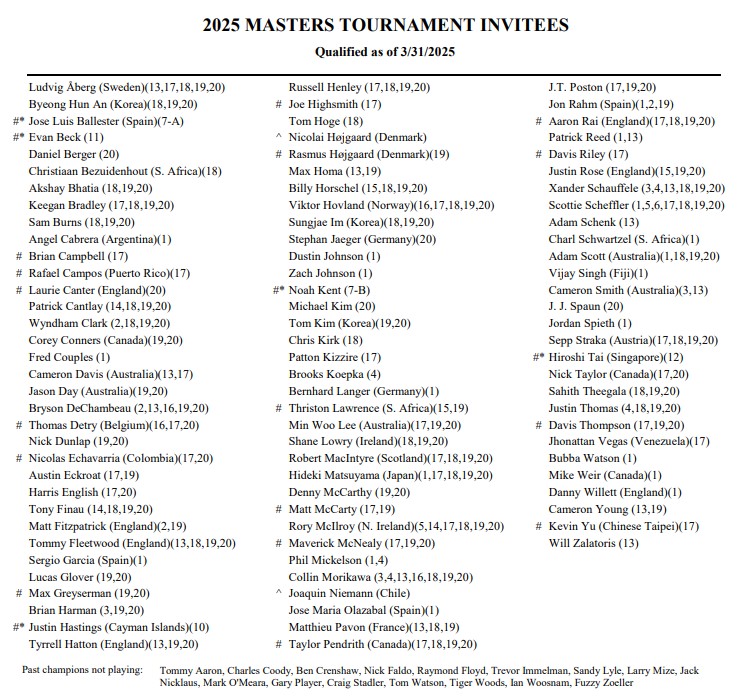
The Masters is the only major golf event played at the same course every year. Players competing here receive their opportunity by invitation only after meeting certain qualifications, leaving the field to only around 90 total golfers. Qualifying criteria include:
- Ranked in the top-50 of the Official World Golf Rankings
- Major winners from the last five years
- PGA Tour winners since last year’s Masters
- Special Invites
The top 50 players (plus ties) qualify to compete on the weekend. The field sits at 96 golfers for this year’s event and is among the strongest ever assembled. Every single player ranked in the current top-50 in the world will be in attendance this week.
The greatest legends in the history of the sport have graced these grounds over the years. Jack Nicklaus has won more Masters than anyone with six. Tiger Woods has won five green jackets while Arnold Palmer has been champion four times. World No. 1 golfer Scottie Scheffler will try to become the first back-to-back champion at the Masters in more than two decades. A victory would give him an incredible three wins in four years. The main storyline, however, continues to be Rory McIlroy‘s quest to win his first Green Jacket and complete the career grand slam.
With the best players in the world from both the PGA and LIV back together again at the same course for the first time since The Open Championship last July, excitement for this week is as strong as ever. The same group of 12 players from last year’s Masters return again this year and include Jon Rahm, Tyrrell Hatton, Joaquin Niemann, Brooks Koepka, Dustin Johnson, Cameron Smith, Patrick Reed, Bryson DeChambeau, Patrick Reed, Sergio Garcia, Bubba Watson, and Phil Mickelson. 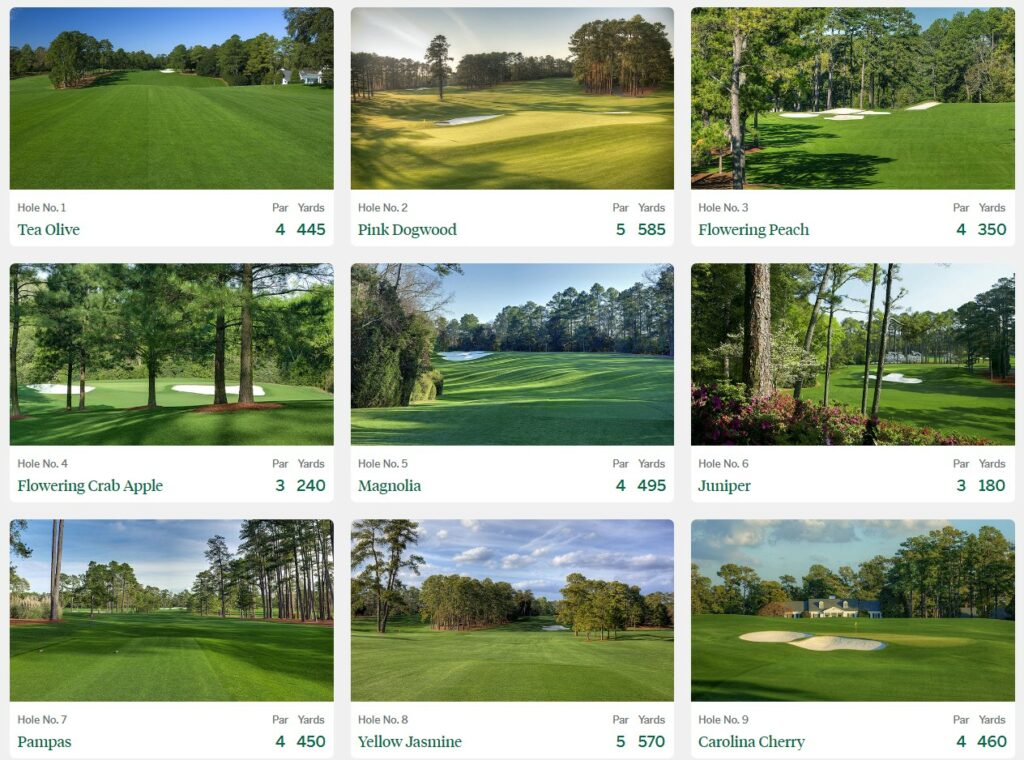
Augusta National Golf Club – History
Augusta National Golf Club was born thanks to the combined brilliance of two of the legendary figures in the history of golf. One of the best players in the game, Bobby Jones, teamed up with one of the sport’s greatest architects Alister MacKenzie. Built on an ideal tract of meadowland property full of rolling hills, creeks, and all types of flowering plants and trees, the two men worked together to build a masterpiece that opened for members in December of 1932.
One thing both men agreed on when designing the course was that they wanted a layout that was not penal, but strategic and full of options for players of all levels. Even to this day, Augusta National has one of the shortest rough lengths out of any course played on Tour.
Perhaps no course has been altered more over time than Augusta National. Intending to keep the tournament challenging and competitive, numerous redesigns have occurred over the years. The likes of Robert Trent Jones, Perry Maxwell, George Cobb, Jack Nicklaus, and Tom Fazio (among others) have all helped with redesign efforts.
The tinkering has continued over the past few years. Before the 2022 tournament, two major changes were on holes 11 and 15. While the par-4 11th hole (the second-toughest hole in Masters history) was lengthened 15 yards, it was completely changed to encourage players to aim down the right side of the fairway as was the original intention. The changes return the risk-reward factor to the hole and give the players multiple strategic options allowing for more challenge and excitement.
Another change witnessed for the first time in 2022 was that the second-easiest hole in Masters history, the par-5 15th, was extended 20 yards longer to 550 yards. Tee boxes were adjusted, and the fairway was reformed by replacing the first cut of rough with more short grass. This change also gave players more options off the tee and, like the 11th hole, added a risk-reward factor. The general theme of these changes was to take a step back from penal golf and to instead emphasize the strategic principles represented by Alister MacKenzie and Bobby Jones’s original design.
The biggest change before last year’s Masters was the lengthening of the famous par 5 13th hole at Amen Corner by 35 yards which allows it to be stretched to 545 yards. Because scoring averages on the hole have dropped so dramatically over time thanks to advances in technology that have allowed players to easily reach the green in two shots, the goal was to prevent players from cutting off the dogleg. Along with added length, trees were installed to create a narrow corridor that forces players to drive the ball straight instead of hooking the ball to the left. These alterations bring the hole closer to how it was first envisioned by Mackenzie and Jones.
Adam Scott said this about the recent changes, “You’re no longer really able to take on those trees on the left from the tee, so I think a decision has been taken away from us with the tee shot, which makes it easier for us. If you hit the fairway, it’s still a tough shot of that side slope. Then you have to decide if you’re going for it in two. It’ll be good to see the guys challenged with a 5-wood, 3-wood or even a long iron. I think that’s going to be exciting.”
Perhaps the player whose opinion carries more weight than any other, Tiger Woods, had this to say about all the changes to the course over the years. “Augusta National has been at the forefront of trying to keep it competitive, keep it fair, keep it fun, and they have been at the forefront of lengthening the golf course. But also, they have been at the forefront of trying to keep it exciting. As the game has evolved, we have has gotten longer, equipment’s changed, and they are trying to keep it so that the winning score is right around that 12- to 18-under par mark, and they have.”
Last year, the tee box at the par-5 second hole extended back and to the left by 10 yards. This increases the official scorecard yardage to 7,555 yards. Three other “unofficial” modifications to the course have been noticed by observers. The back section of the second green has been enlarged towards the middle along with the slope leveled off the right greenside bunker. The former allows for a different pin position, while the latter negates the use of the front right portion of the green as a backstop for putts coming from the opposite direction.
Another alteration is the front right slope on the fourth green has been softened. This will help keep quality approach and bunker shots from bouncing away from the pin. The back right plateau on the par-3 sixth green has been enlarged and the back left section flattened. The goal is to prevent shots that are within 25 feet of a back left pin from funneling off the green. Meanwhile, on the back-right section of the green, the slope has been increased making the penalty for a miss in that area more severe.
The big change to Augusta National this year comes as a result of September’s Hurricane Helene. So many trees were lost and not replaced that it created numerous picturesque vistas around the course. Distant holes that were previously blocked by trees can now be seen. The missing trees have “opened up things quite nicely,” three-time Masters champion Nick Faldo said. “Get some air in there. Who knows? It might make it trickier with the wind whistling through there. I think they’ve done a beautiful job.”
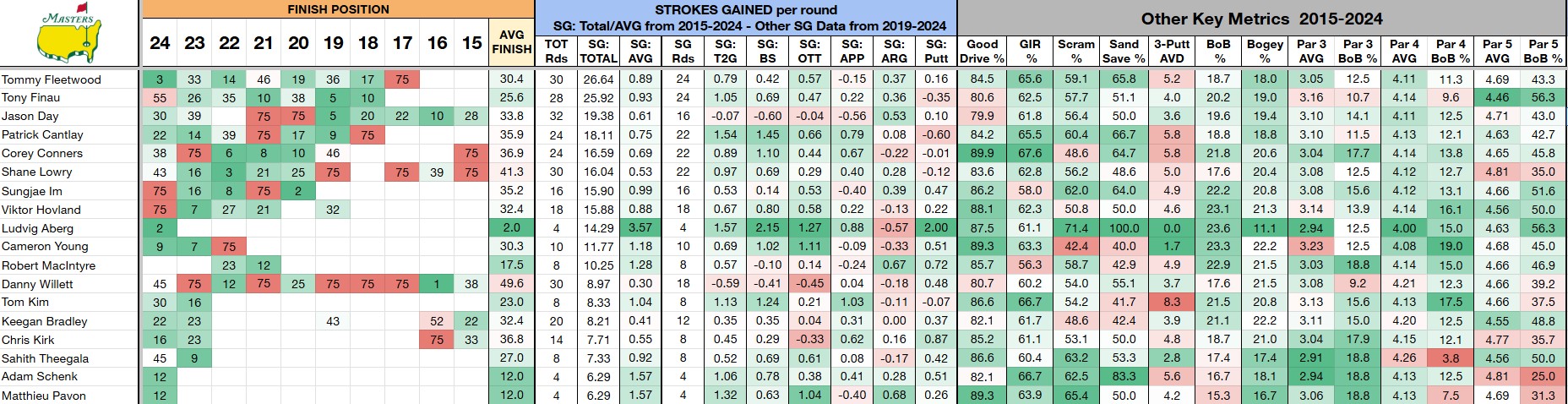
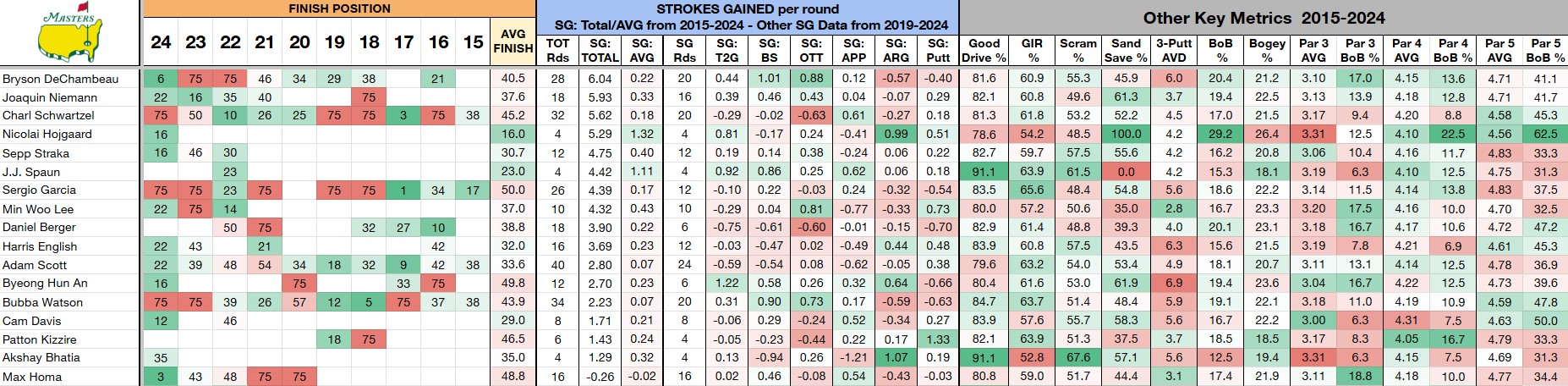
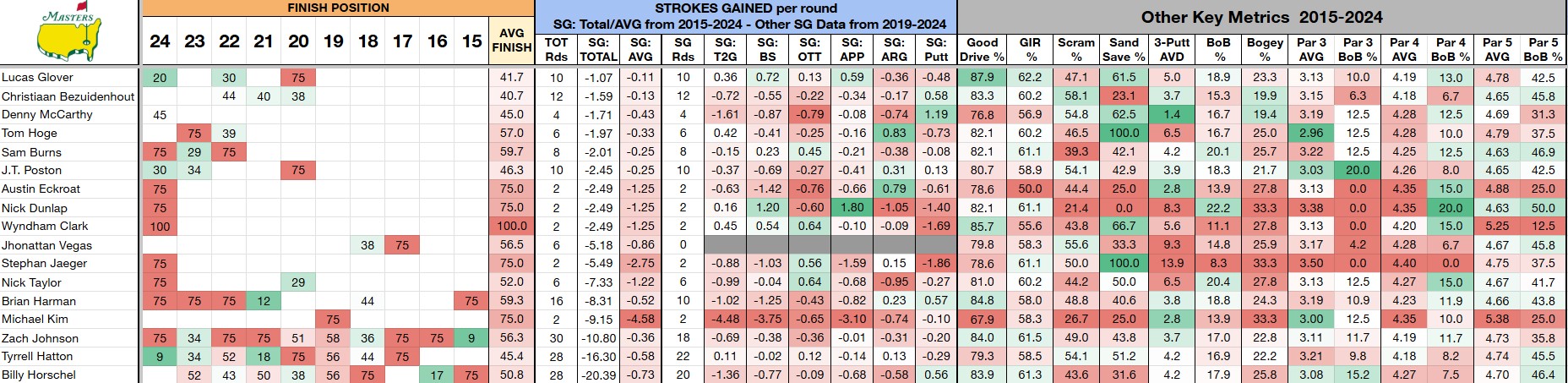
Finish Position and Strokes Gained Course History (2015-2024)
This includes the average finish position and Strokes Gained Total per round since 2015. Other Strokes Gained data such as SG: OTT, etc goes back to 2019. Players are sorted by SG: Total. Other key course metrics like Good Drive %, 3-Putt Avoidance, etc, go back to 2015. Augusta National is the most predictive course on Tour by a very large margin. 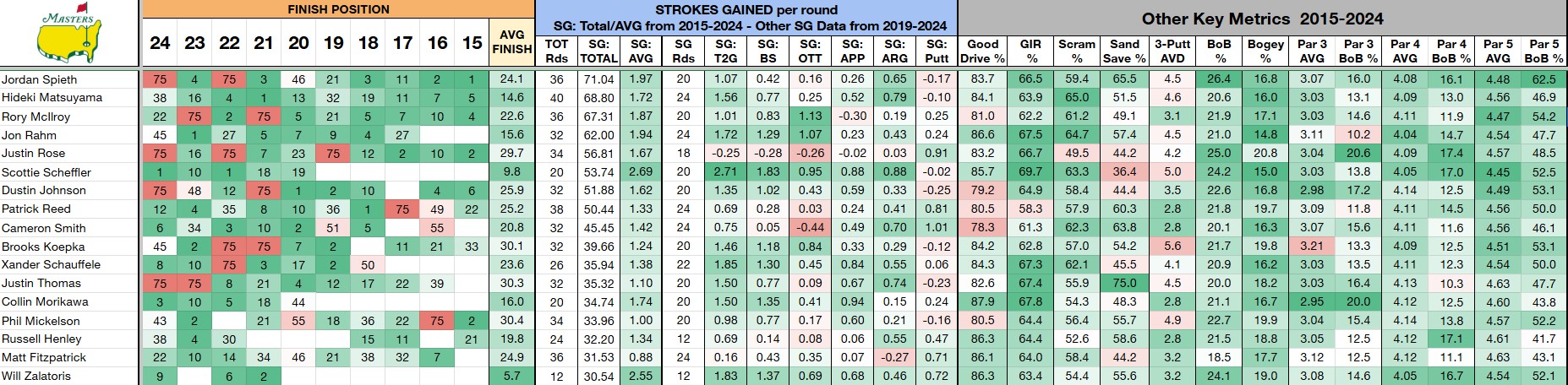
Course Features
From the towering Georgia pines and flowering magnolia trees to the luscious green fairways and immaculately manicured white-sanded bunkers, Augusta National is a pristine wonder to behold. Countless characteristics make the course both timeless and imposing including the elevation changes, the routing of the holes, the risk-reward options, the genius of Amen Corner, and the treacherous slopes of the green complexes.
Augusta National Golf Club is a par-72 course that stretches to 7,555 yards. At that length, it measures as the 7th longest course in the annual Tour rotation. With a premium on thoughtful strategic play, every hole offers players bail-out options if the goal is to survive with par. Yet birdie opportunities abound for those who wish to be more aggressive and take on the risk that most holes provide. 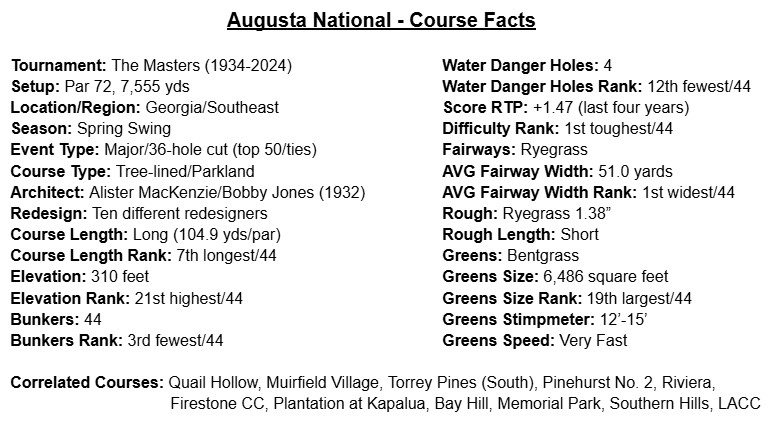
Over the past four tournaments, the average score has been 1.47 strokes over par, which ranks as the toughest annual course on Tour. Only one of the par-3 holes plays over 180 yards, yet due to the bunkering and difficult green complexes, they rank as the second-toughest group of par-3s, averaging 0.15 strokes over par.
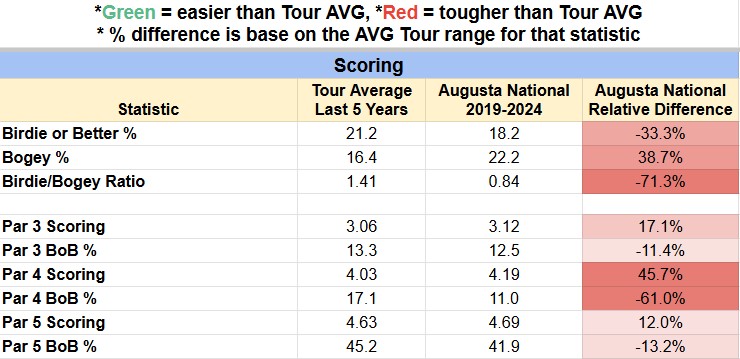
The four par-5s are the holes that bring the most excitement to the course each year. One of the shortest groups of par-5s on Tour averaging only 564 yards per hole, each is reachable in two shots and averages a birdie or better rate at 38.4%. With eagle chances possible on each, along with danger areas, they are the essence of risk-reward holes. This is especially true on the 13th and 15th holes where stray approaches will be eaten by the water hazards.
Since 2010, 73% of scoring has come on the par-5 holes. And since 2017, Masters champions are a combined 60-under on the par-5s. The last four winners – Scottie Scheffler (twice), Jon Rahm, and Hideki Matsuyama – had 88% of their scoring come on the par 5s. In the graphic below, you can see just how important par 5 scoring is compared to the par 3 and par 4 holes.
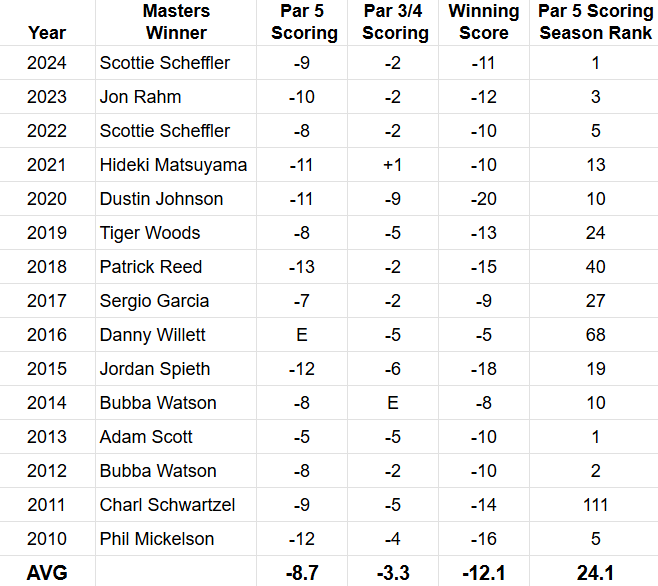
As important as it is for players to score on the par-5s, it is just as vital for them to survive the par-4s. This is demonstrated by the fact that the past nine winners of this event have ranked an average of second in the field for par-4 scoring. Rated as the toughest set of par-4s on Tour, they play to an average of 0.19 strokes over par. For a great resource on every hole at Augusta explained by a different Masters champion, read this informative article.
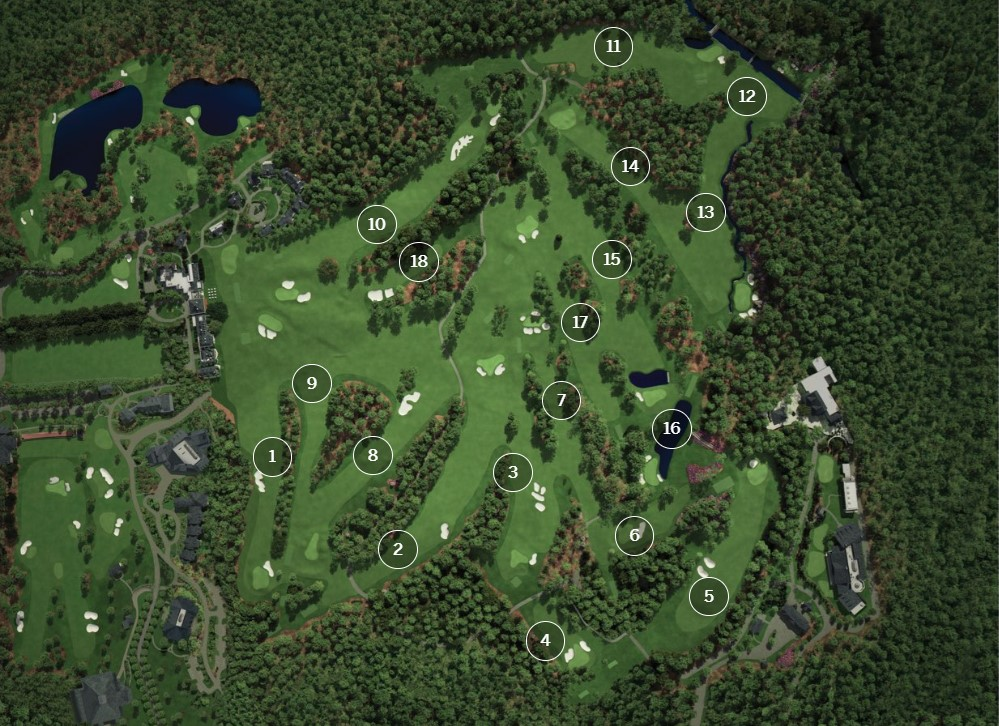
The course lines up to be a strategic game of two styles. Attack each of the par-5s and the shorter par-4 third hole while surviving the remaining holes with patience and conservative play. The back nine holes, led by Amen Corner (holes 11-13) are among the most exciting in golf and offer plenty of risk-reward opportunities for aggressive scorers.
Grasses and Greens
Even though it is located in the heart of Bermudagrass country in Augusta, Georgia, due to the timing of the event early in the spring, the Bermuda here is still somewhat dormant. To have the best turf possible, ryegrass is used on the fairways and rough, and bentgrass, a cool-season turfgrass, is used on the greens.
Most professional golfers will tell you that bent greens provide the smoothest and most consistent putting surface. They are meticulously groomed to provide a firm and fast surface and are among the most undulated in the world. According to noted professional agronomist David Marcucilli, each green at Augusta National receives personalized treatment and conditioning that best reflects its slope, pin location, and shot-making values. The greens are also brushed before they are mowed. This promotes an upright blade orientation on the grass to ensure a uniform cut. Doing this also eliminates any grain on the greens, allowing them to run even purer.
Back in 2010, an unofficial rating of the course was conducted and green speeds ranged from an average 12′ to an ultra-fast 15′ on the stimpmeter. The variance in speed is meant to protect golfers on the holes that have the most contours and sloping. For more information on these unique greens, along with which players have performed the best on similar green styles, here is a much more detailed article on that subject.
The course is also equipped with an underground irrigation and ventilation system known as SubAir which allows the maintenance staff almost complete control over the playing style of the greens.
Course Defense
Along with the aforementioned treacherous green complexes, Augusta National’s primary defense includes its length, dramatic elevation changes, uneven lies, swirling crosswinds, and tight runoff areas around the greens. Contrasting with other difficult courses, Augusta National is unique in terms of its absence of hazards off the tee and lack of penal rough.
It has been said that the only flat areas on the course are the tee boxes. Former champion, Bob Goalby often remarked on how tired his legs would be after walking the course. From the first tee to the last, it is an absolute brute of a track. The elevation changes are nowhere more exemplified than the walk from the highest point on the course, the 10th tee, to the lowest point, the 11th green, which is over a 100-foot drop.
While Augusta has the third-fewest bunkers on Tour, they are deep and have a par save percentage of only 49.4% which makes them the fifth toughest on Tour. Players who leave their approach shots in the treacherous short-grass runoff areas surrounding the greens fare even worse on average. Augusta National is the toughest course to gain strokes from around the green. Water comes into play much more on the back nine but ranks far down the list of dangers players will face.
Finally, one of the biggest challenges of Augusta National that cannot be measured is what the course does to players mentally. An anonymous player was quoted as saying, “One of the best things Augusta does is mess with you. And the way it messes with you is it gives you options. Pros don’t like options because then they have to make decisions.”
Strokes Gained Analysis
Off the Tee
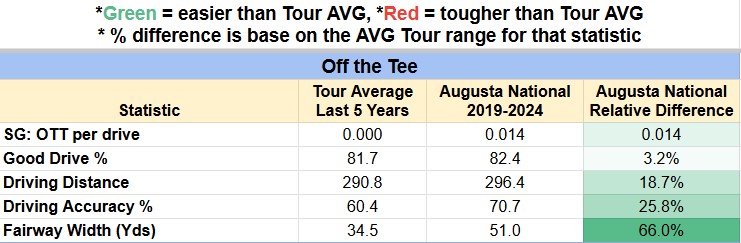
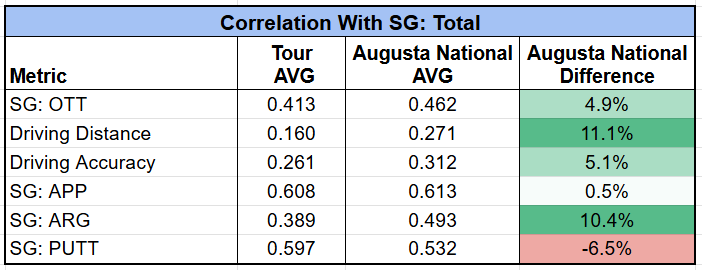
When Bobby Jones was designing Augusta National he wanted golfers to “have an unrestricted feeling of being able to swing away amid a wide swath of parkland”. He believed that good drives would be rewarded, not by staying out of penalty areas, but by “making the second (shot) simpler in proportion to the excellence of the first.” When analyzing the numbers off the tee, the data most definitely bears that out. Players are free to bomb away with driver without any fear of thick rough or water hazards of any kind. Driving distance is one of the highest on Tour at over 297 yards. With the widest fairways on Tour at 51 yards on average, driving accuracy is 9% easier than average.
With little trouble finding fairways and no harsh penalty for being in the minimal “second cut” of rough, bombers have a distinct advantage. 15 of the past 16 winners have ranked in the top-50 in driving distance for the year leading up to their Masters’ win. More than half of the driving holes also lack fairway bunkers. Added distance also helps ensure players can reach each of the par-5s in two shots by hitting longer irons into the greens instead of fairway woods. One caveat to the “bomber” advantage goes back to the quote by Bobby Jones. Most hole locations on the greens do offer a better angle to tee shots that have been hit to the proper location of the fairway. So total driving still matters from that perspective.
Approach
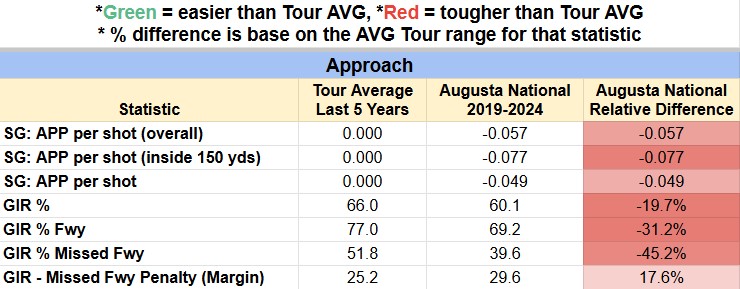
It has been said that Augusta National is one of the few courses that present two challenges on almost every hole. The first is the challenge to simply find the green on approach and the second is to solve the tricky undulating contours once on the green. While length is important, this is one of the ultimate second-shot courses. With so many approach shots being hit from uneven lies combined with firm sloping greens, ball-striking is paramount for success. It ranks as the second-toughest course to gain shots on approach. In nine of the past years, the winner has finished in the top six in SG: Approach for the week.
While being in a position to approach the tough hole locations from the proper angle is important, it is only half the battle. With greens as firm as the ones at Augusta come into play, even quality approaches are often unrewarded as balls will ricochet far from the hole or roll off the green entirely. Early reports have the greens as firm and bouncy as ever.
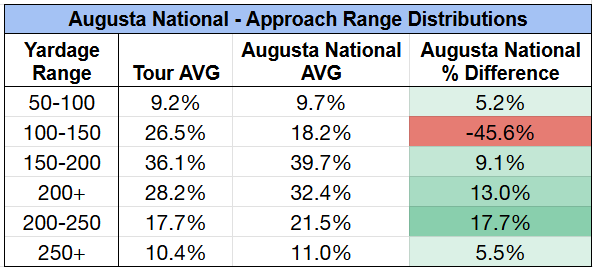
Elite iron players such as Justin Thomas and Collin Morikawa who have amazing distance control and can get the ball to spin and stop have a distinct advantage. But with 72% of approach shots coming from 150+ yards, trying to control trajectory, location, and spin with longer clubs is not an easy task, even for the best golfers. With firm greens expected, players with higher ball flights and those who are approaching from shorter distances with more lofted clubs have an edge as well. It’s basic physics. Balls landing from a higher trajectory will stop closer to their intended location than those on a lower plane angle.
And here’s another thing to consider which makes the approach game even more tricky. Most of the greens are either elevated or protected by bunkers or water on the short side. This naturally forces players to hit more conservative shots that carry onto the back sections of the greens well past the trouble areas. The problem with this is that most of the greens slope from front to back. If golfers can’t spin the ball back toward the hole they will be faced with long downhill putts. This is also why playing experience and course history matter so much at Augusta. The Jordan Spieths and Brooks Koepkas and Jon Rahms of the field – who have built up a great deal of knowledge – know exactly where they can and can’t miss on each hole.
Around the Greens and Putting
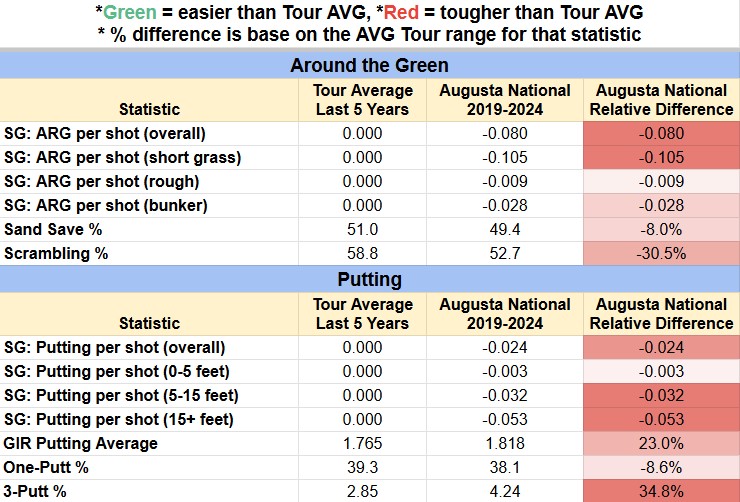
With only 61% of greens being hit in regulation, every player’s around-the-green game will be tested. Without much of the preferable thicker rough to chip from, the majority of shots come from extremely tight lies being hit into slopes on the greens. Another trait of this course that makes chipping so tough is how the grass is cut. On each hole, the turf is mowed from the green back towards the tee. Thus, many chips (and approach shots) have the grain of the turf going against them, making it tougher to be precise on many of those delicate shots. Scrambling is 6% tougher than the average Tour course. While approach play is king, we have seen numerous short-game specialists thrive at the Masters, including Patrick Reed, Jordan Spieth, and Hideki Matsuyama.
Approach play at Augusta National is directly related to short-game play. According to a study done by Golf Magazine a few years ago, “3-10 foot putts are made at a higher rate than an average PGA Tour stop, perhaps because the greens are so pure. But move outside 10 feet and that advantage disintegrates.” The reason? The undulations combined with the speed of the greens mean that every foot further the ball is away from the hole the more tricky the putt becomes. Precise iron players who can stick their approaches within 10 feet have a huge advantage.
The “difficult” angle sounds like a broken record at this point, but Augusta National is the toughest course to gain strokes putting. The 3-putt rate of 4.24% is the highest anywhere making 3-putt avoidance a key stat for this week. These greens favor quality lag putters who can cozy their long putts to the hole and save par.
With so many putts being missed by everyone, the playing field levels very quickly on the greens. Though the winner of the Masters does typically putt well for the week, the data shows that you do not need to be a great historical putter to win. Over the past 17 editions of the Masters, the winner has ranked 98th in “Strokes Gained: Putting” in the year leading up to their victory.
Here’s the complete ranking list:
2024: Scottie Scheffler – 130
2023: Jon Rahm – 20
2022: Scottie Scheffler – 58
2021: Hideki Matsuyama – 175
2020: Dustin Johnson – 48
2019: Tiger Woods – 74
2018: Patrick Reed – 72
2017: Sergio Garcia – 162
2016: Danny Willett – 60
2015: Jordan Spieth – 9
2014: Bubba Watson – 109
2013: Adam Scott – 130
2012: Bubba Watson – 142
2011: Charl Schwartzel – 96
2010: Phil Mickelson – 133
2009: Angel Cabrera – 63
2008: Trevor Immelman – 191

Most Important Stats For Success at Augusta National
- Scoring Conditions: Very Difficult
- Course Length: Very Long
- Field Strength: Very Strong
- Event Type: Major
- Field Size: Small Field
- Greens Surface: Bent
- Green Speed: Fast
- Rough Length: Short
- OTT Club: Driver Heavy
- Fairway Accuracy: Easy
- Gain APP: Very Difficult
- Par 4 Scoring: Difficult
- Gain ARG: Very Difficult
- Scrambling Short Grass: Difficult
- Gain Putting: Very Difficult
- 3-Putt AVD: Difficult
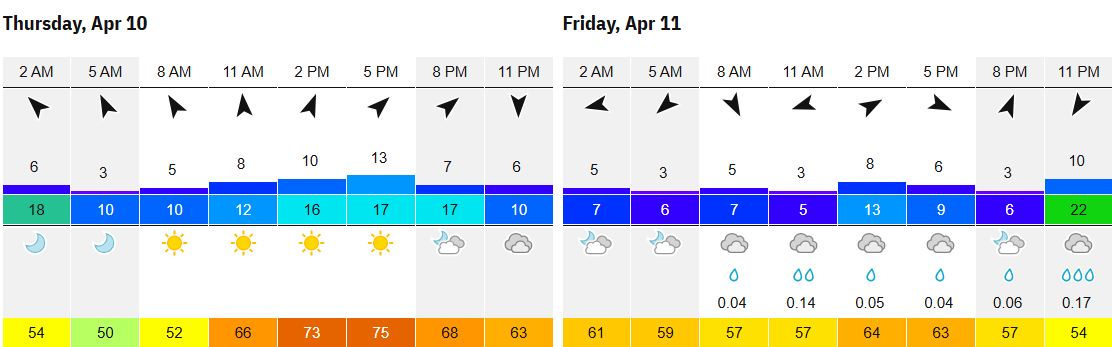
Weather Forecast – Augusta, Georgia
Gambling Problem? Call one eight hundred gambler. In New York, call eight seven seven eight HOPENY or text HOPENY at four six seven three six nine. In
Connecticut, help is available for problem gambling. Call eight eight eight seven eight nine seven seven seven seven or visit C C P G dot org. Eighteen plus in
most eligible states, but age varies by jurisdiction. Eligibility restrictions apply. Void where prohibited. New customers only. Minimum ten dollar deposit required. One single-use ten dollar ticket rewarded for Fantasy Golf Millionaire Contest that expires on April tenth at seven A M. See terms at draftkings dot come slash promotions.
- SG: APP 150+ yds
- Course History/Majors History
- Driving Distance (Carry Distance)
- SG: T2G L24 rds
- Par-5 BoB %
- 3-Putt Avoidance/Approach Putt Performance
- Scrambling: Short Grass (Difficult)
- SG: ARG
- Par-4 Average: (Difficult Scoring)
- Bogey Avoidance
Key Rabbit Hole Filters
- Scoring Conditions: Very Difficult
- Course Length: Very Long
- Field Strength: Very Strong
- Event Type: Major
- Field Size: Small Field
- Greens Surface: Bent
- Green Speed: Fast
- Rough Length: Short
- OTT Club: Driver Heavy
- Fairway Accuracy: Easy
- Gain APP: Very Difficult
- Par 4 Scoring: Difficult
- Gain ARG: Very Difficult
- Scrambling Short Grass: Difficult
- Gain Putting: Very Difficult
- 3-Putt AVD: Difficult
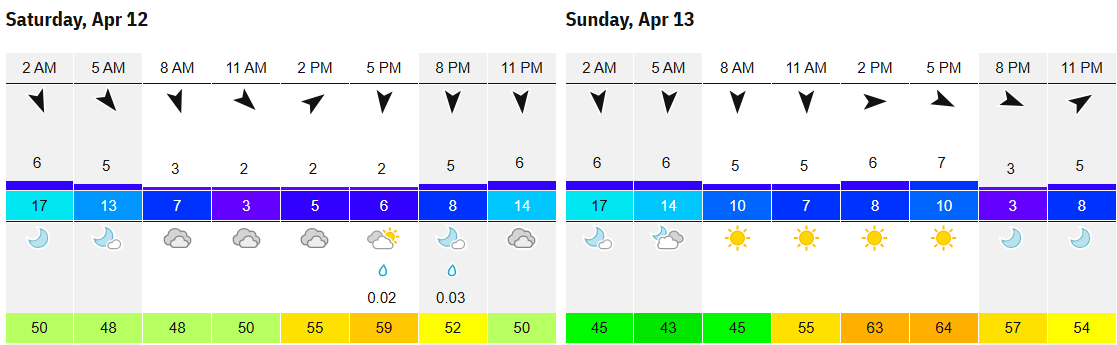
Weather Forecast – Augusta, Georgia
Gambling Problem? Call one eight hundred gambler. In New York, call eight seven seven eight HOPENY or text HOPENY at four six seven three six nine. In
Connecticut, help is available for problem gambling. Call eight eight eight seven eight nine seven seven seven seven or visit C C P G dot org. Eighteen plus in
most eligible states, but age varies by jurisdiction. Eligibility restrictions apply. Void where prohibited. New customers only. Minimum ten dollar deposit required. One single-use ten dollar ticket rewarded for Fantasy Golf Millionaire Contest that expires on April tenth at seven A M. See terms at draftkings dot come slash promotions.