
Research and Stat Modeling: Genesis Invitational

Pat James

4 years ago
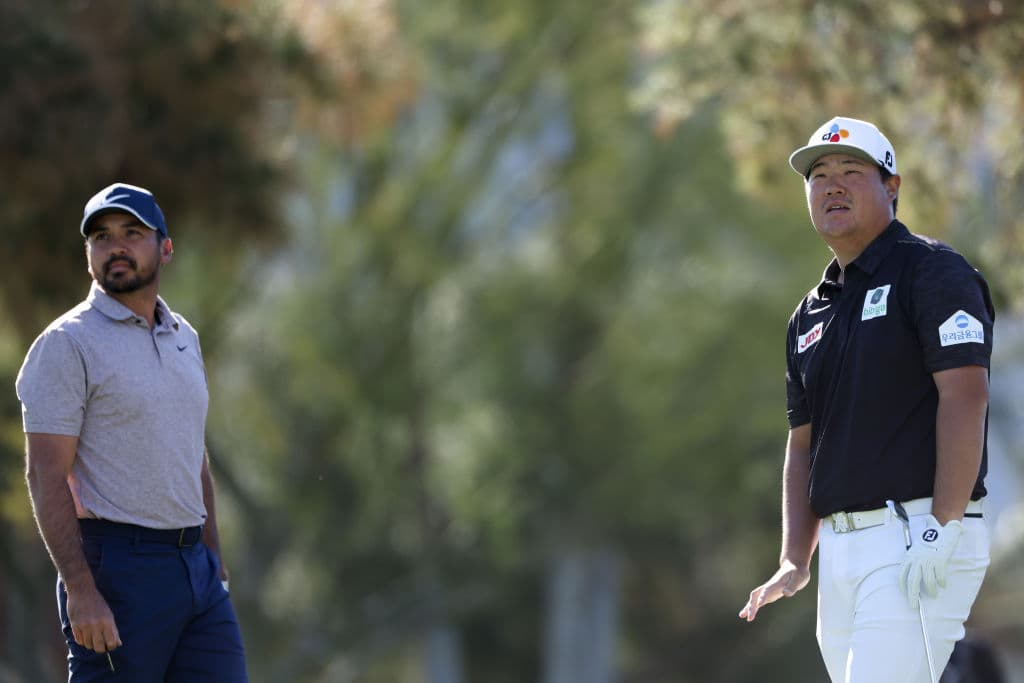
My approach to golf betting and daily fantasy is deeply rooted in statistical modeling. It’s not the only way to go about handicapping a golf tournament, but I think it’s the best way. It helps me eliminate biases and identify golfers purely based on whether they are in good form and if their game syncs up with the course they are about to play.
In this article, I will put together a weighted statistical model specific to the course and tournament. The statistics are chosen and weighted based on historical data from previous tournaments. In addition to course-specific data, I will also look at recent form and any other potentially relevant angle. The model accounts for the last 50 measured rounds, with the more recent rounds receiving increasingly more weight.
Key Stats Considered
The statistical model will always include the main four strokes gained statistics of off-the-tee, approach, around the green, and putting. It’s safe to assume, even if those stats aren’t elaborated on in this section that they are baked into each player’s ranking when all is said and done. The model will also include secondary stats that are specific to success on the current week’s course. Because these secondary stats change week-to-week, they will make up the bulk of those delved into in this article. This will include stats such as driving distance, driving accuracy, good drives, proximity from a certain yardage, eagle rate, birdie rate, putting on a particular grass type, and specific course types like “short par 70s” or “difficult courses over 7400 yards”.
SG: Approach
The backbone of every statistical model, Strokes Gained: Approach accounts for 34% of the strokes gained per round of players who finished in the top five at Riviera over the years.
- Tom Hoge
- Tony Finau
- Tom Kim
- Will Zalatoris
- Scottie Scheffler
- Xander Schauffele
- Brendan Steele
- Collin Morikawa
- Russell Henley
- Rory McIlroy
Driving Distance
Riviera doesn’t seem like it’s very long if you take a zoomed out view of the course specs, however the devil is in the details. There are a few abnormally short holes like the 500 yard Par 5 and the famous 315 yard Par 4 10th. Because there are a few holes that are short, there are in turn some long and difficult Par 4s. Driving Distance is not a massive percentage in the model because I didn’t want to alienate the guys in the middle. While it’s nice to bomb it at Riviera, a loot at the average yardage at the top of the leaderboard shows that it’s still doable to contend without 330 yard.
- Rory McIlroy
- Wyndham Clark
- Cam Young
- Cam Champ
- Trey Mullinax
- Gary Woodland
- Thomas Detry
- Jon Rahm
- Callum Tarren
- Keith Mitchell
Proximity Distances
Three key ranges come into play at Riv. The 150-175 bucket is the most common distance coming in at 27% of approach shots which is about 7% higher than tour average. 175-200 ranks second at 22% which is 5% more often than tour average. 200+ is right around tour average, but important since it makes up 23% of all shots. It’s safe to say this is a mid-to-long iron track. We’ve targeted wedge guys in the west coast swing often, but Riv plays into the hands of the longer iron guys.
150-175
- Tom Kim
- Gary Woodland
- Matthew NeSmith
- Jon Rahm
- Scottie Scheffler
- KH Lee
- Nick Taylor
- Jason Day
- Danny Lee
- Jordan Speith
175-200
- Si Woo Kim
- Brendan Steele
- Jon Rahm
- Nate Lashley
- Rory McIlroy
- Callum Tarren
- Collin Morikawa
- Scott Stallings
- Martin Laird
- Taylor Moore
200+
- Sungjae Im
- Tom Kim
- Gary Woodland
- Justin Suh
- Davis Riley
- Rory McIlroy
- Tom Hoge
- Patrick Cantlay
- Patton Kizzire
- Adam Svensson
GIRs Gained
Hitting greens this week is going to happen at about a rate about 10% lower than the average tour event. A common thread among the vast majority of players who land at the top of the leaderboard is hitting the difficult greens at Riviera. The players below have routinely outperformed the opposition in terms of hitting difficult greens.
- Alex Smalley
- Scottie Scheffler
- Xander Schauffele
- Collin Morikawa
- Hayden Buckley
- Tony Finau
- Brendan Steele
- Jon Rahm
- Russell Knox
- Rory McIlroy
Par 4: 450-500 Yards
As I mentioned above, some of the short holes on this course give way to some difficult and long Par 4s. Four of the five hardest holes at Riviera come in the 450-500 yard bucket. It’s not often I’ll put in a specific Par 4 yardage range, especially when I have the approach proximities also input, but I sprinkled this stat in there because of the circumstances.
- Max Homa
- Jason Day
- Ben Taylor
- Danny Lee
- Andrew Putnam
- Sam Ryder
- Tyrell Hatton
- Joel Dahmen
- Sungjae Im
- Tony Finau
Three-Putt Avoidance
One of the key skills one can have at any golf course is being able to avoid three-putting. With the difficult greens at Riviera, there are some holes where you have to be able to just snuggle it up close, take your two-putt par and move on. In previous years one of the biggest detriments to contending at the Genesis is three-putting. Believe it or not, this is definitely a skill that some players have and some don’t.
- Callum Tarren
- Keegan Bradley
- Nick Taylor
- Jason Day
- Scottie Scheffler
- Sam Ryder
- Sahith Theegala
- Adam Scott
- Seamus Power
- Taylor Moore
Fast Poa Putting
It’s rare that I have two putting stats in a model, but Riviera’s greens can be extremely tricky. I’ll be splitting the putting weight between three-putt avoidance and the fast poa type.
- Aaron Baddeley
- Adam Scott
- Sepp Straka
- Kevin Kisner
- Matt Kuchar
- Mav McNealy
- Jordan Spieth
- Wyndham Clark
- Jason Day
- Denny McCarthy
Par 5 Scoring
While not as important as some other courses on tour, the Par 5s are the holes you can score on at this course. If this ends up playing difficult as it usually does, going low on the Par 5s may be the vast majority of scoring opportunities that players have this week.
- Wyndham Clark
- Jon Rahm
- Xander Schauffele
- Justin Thomas
- Rory McIlroy
- Brendon Todd
- Tony Finau
- Justin Rose
- Sungjae Im
- Viktor Hovland
Current Form
The guys who are playing the best at the current moment
- Jon Rahm
- Tony Finau
- Jason Day
- Scottie Scheffler
- Xander Schauffele
- Max Homa
- Seamus Power
- Justin Rose
- Sungjae Im
- Rickie Fowler
Course History
Players who have gained the most strokes per round at Riviera
- Adam Scott
- Rory McIlroy
- JB Holmes
- Xander Schauffele
- Luke Donald
- Jon Rahm
- Viktor Hovland
- Max Homa
- Justin Thomas
- Aaron Baddeley
Peaking and Fading
One of the flaws that I often come across in modeling is focusing on a fixed range of time or rounds and taking a wider view to determining if a player is peaking or fading leading up to an event. For instance, a player’s high rating in a model that only focuses on the last 50 rounds could be a result of playing well four months ago. In this section, I will lay out the players who have improved or faded statistically over the course of their last 50 rounds.
Peaking – Playing better recently than their statistical baseline
- Rickie Fowler
- Joseph Bramlett
- Nick Taylor
- Robby Shelton
- Gary Woodland
Fading – Playing worse recently than their statistical baseline
- Shane Lowry
- Cam Davis
- Trey Mullinax
- Brian Harman
- Adam Scott
Statistical Modeling Final Rankings
- Rory McIlroy – Rory rates out top ten in Driving Distance, Approach, 175-200 approach, 450-500 Par 4s, GIRs gained, Par 5 Scoring, and form.
- Xander Schauffele – Xander has been playing really well and fits Riviera pretty well. He’s top 12 in GIRs Gained, overall form, Par 5 scoring and approach.
- Jon Rahm
- Tony Finau
- Sungjae Im – Im finished strong in Phoenix and checks in strong in some important stat categories such as 200+ proximity (1st), Par 5s (9th), and form (9th)
- Will Zalatoris
- Collin Morikawa – One of the best long iron players on tour rates out top ten or better in approach, 175-200 and 200+ proximity, and GIRs gained. The key for Morikawa will be limiting damage with his putter. Given the difficulty of the Riviera greens it could have a neutralizing effect on his disadvantage.
- Scottie Scheffler
- Max Homa
- Patrick Cantlay
- Jason Day – Is the old Day back? Sixth in OTT, 11th in approach, 10th in 150-175 proximity, eighth in 450-500 Par 4s, fifth in three-putt avoidance, and third in overall form.
- Alex Smalley – Ranks first in GIRs gained
- Nick Hardy
- Tom Kim – Like Morikawa, you’re betting on Kim’s ball striking giving him a massive advantage in GIRs gained and hoping the difficult greens neutralize his putting woes. He rates out top five in approach and the 150-175 and 200+ proximity distances
- Cam Young
- Brendan Steele
- Hayden Buckley
- KH Lee
- Wyndham Clark – Top Ten in Driving Distance, Par 5 Scoring, and Fast Poa Putting. Also has finishes of 8th and 17th in two appearances at Riviera.
- Adam Hadwin
- Viktor Hovland – Has two top fives in his history at this tournament which gives credence to the idea that putting is neutralized enough for superb ball strikers to flourish. With that said, Hovland’s putting has been solid as of late, especially on Poa.
- Justin Rose
- Sam Ryder
- Justin Thomas
- Gary Woodland – Woodland rates top ten in OTT, driving distance, and the 150-175 and 200_ proximity ranges.
- Tom Hoge
- Taylor Moore
- Corey Conners
- Tommy Fleetwood
- Keegan Bradley
- Rickie Fowler
- Jhonattan Vegas
- Shane Lowry
- Alex Noren
- Trey Mullinax
- Tyrell Hatton
- Cam Davis
- Si Woo Kim – Top 15 in approach, 150-175 proximity, 175-200 proximity, and three-putt avoidance
- Kurt Kitayama
- Jordan Spieth – I bet Spieth this week at 45/1 because of his prowess putting on fast poa greens and his familiarity with Riviera. He showed me enough in Phoenix that I thought the number was longer than his true odds.
- Adam Scott – Despite the poor overall ranking, Scott knows his way around Riviera better than anyone, ranking first in course form. If you’re a believer that Course form can trump current form, Scott is the epitome of that angle this week.
- Nick Taylor – Taylor doesn’t rate out well overall, but he is peaking coming into the Genesis. Taylor is playing well about his statistical baseline in his last 12 rounds.
- Thomas Detry
- Keith Mitchell
- Callum Tarren – Tarren pops hard in some important stat categories such as driving distance (9th), three-putt avoidance (1st), and 175-200 proximity (2nd).
- James Hahn
- Greyson Sigg
- Nate Lashley
- Davis Thompson
- Joel Dahmen